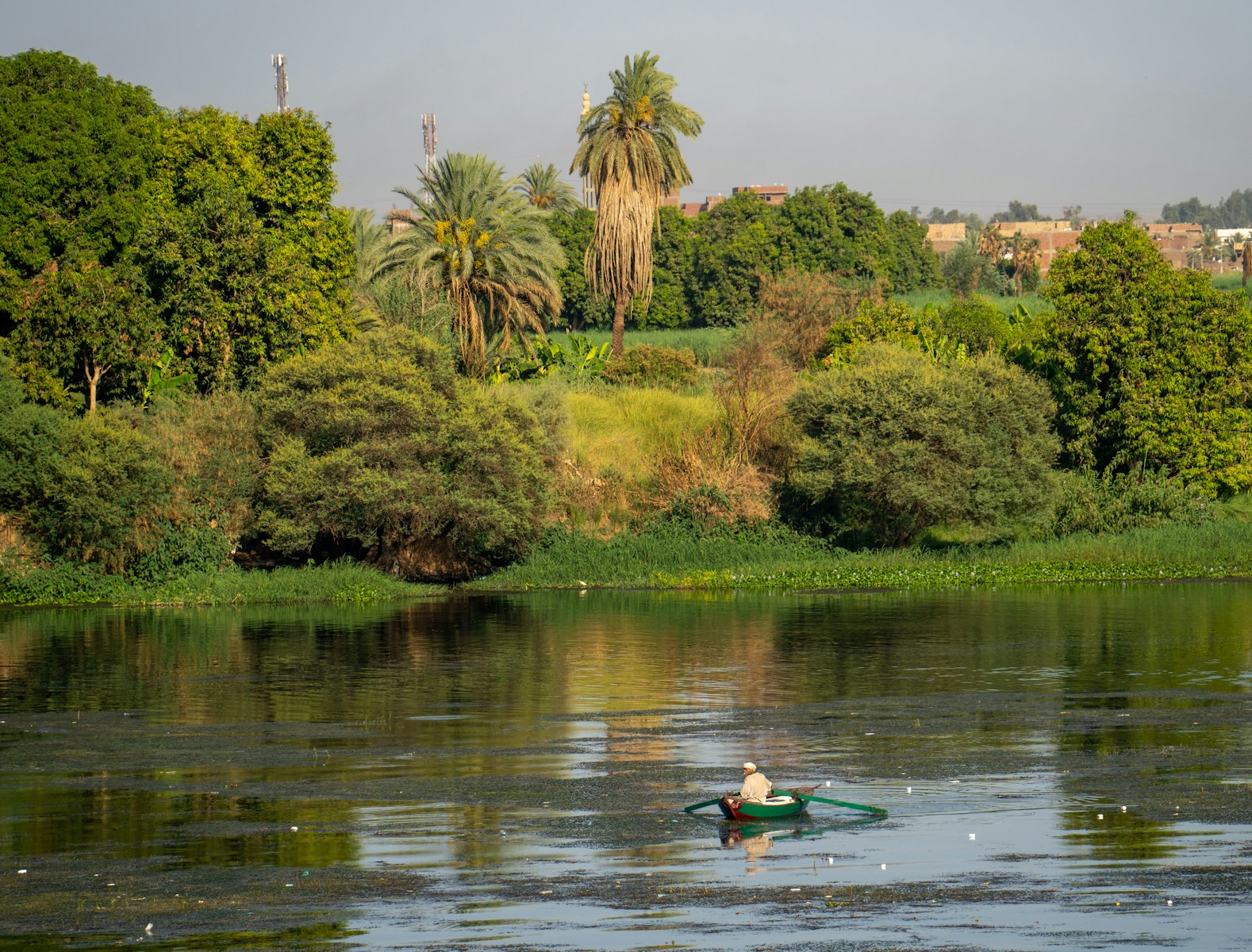
Walking Landscapes: Exploring Cairo through Mahmoud Khattab
Walking Landscapes is a transformative exploration of Cairo, where art, memory, and urban life intersect. Mahmoud Khattab’s work invites audiences to witness the city not just as a physical space, but as a living narrative, rich with cultural, historical, and emotional layers. By walking through Cairo’s streets, alleys, and open spaces, one becomes attuned to the rhythms, stories, and hidden moments that define the city’s essence.
1. The Philosophy Behind Walking Landscapes
The concept of Walking Landscapes is rooted in a philosophy of immersion, observation, and contemplation. Khattab believes that walking is not merely a physical activity but a way to experience the soul of a city.
- Mindful observation: By walking slowly, one can absorb the nuances of architecture, street life, and human interaction.
- Connection with history: Walking allows engagement with the temporal layers of Cairo, from ancient mosques to modern streets.
- Personal reflection: The act of walking encourages introspection, connecting individual experience with collective memory.
This philosophy transforms every journey into a dialogue between the walker and the city, revealing subtle patterns and overlooked details.
2. Mahmoud Khattab: The Time Traveler of Cairo
Mahmoud Khattab is often called a “time traveler” because he perceives Cairo as a city where multiple temporal dimensions coexist. Through his artistic lens, the past and present merge, allowing viewers to see continuity and transformation simultaneously.
- Temporal layering: Khattab’s work documents spaces where history visibly intersects with contemporary life.
- Cultural storytelling: Each photograph or artwork conveys narratives of social and cultural significance.
- Urban memory: By engaging with residents and spaces, Khattab records memories that might otherwise be lost.
Through this approach, he elevates ordinary streets into corridors of temporal exploration, where every corner tells a story.
3. The Connection Between Memory and Landscape
In Walking Landscapes, memory is inseparable from place. Khattab emphasizes that landscapes are repositories of both collective and individual memories. Walking through Cairo is akin to navigating a living archive, where every street, alley, and plaza carries the imprint of human activity.
Subtle Histories in Everyday Life
The city’s mundane details market stalls, faded murals, or ornate doorways become markers of historical continuity. By noticing these subtle cues, viewers engage in an intimate dialogue with the past.
Personal Memory and Urban Identity
Khattab’s perspective highlights how personal memory intertwines with urban spaces. Residents carry their histories in the streets they walk daily, forming a tapestry of experiences that Walking Landscapes seeks to capture.
4. Capturing Change in the Urban Environment
Cairo is constantly evolving. Walking Landscapes captures these dynamic changes, from the reconstruction of historical districts to the emergence of contemporary architecture. Khattab’s work observes:
- Architectural contrasts: The coexistence of centuries-old mosques with modern glass facades.
- Socioeconomic shifts: Transformations in neighborhoods reflecting migration, commerce, and policy changes.
- Temporal transitions: How light, weather, and human activity alter the perception of urban spaces throughout the day and seasons.
Through these observations, Khattab emphasizes that landscapes are never static; they are continuously rewritten by time and human presence.
5. The Role of Sensory Experience
Walking is inherently sensory. Khattab emphasizes that experiencing a landscape goes beyond visual observation:
- Visual: Textures, colors, and architectural patterns reveal the city’s character.
- Auditory: Sounds of vendors, traffic, prayers, and street musicians create an aural landscape.
- Olfactory: Aromas from food, spices, and the Nile mingle with urban scents, enriching perception.
- Tactile: The feel of cobblestones, wooden doors, and market fabrics connects the walker physically to the city.
By engaging all senses, Walking Landscapes transforms mere observation into full-bodied experience.
6. Art as a Lens for Understanding Place
Mahmoud Khattab uses art to interpret urban life, transforming ordinary moments into profound narratives. Through photography, painting, and installation, he reframes Cairo’s streets as:
- Spaces of narrative: Each alleyway becomes a scene in a broader story.
- Emotional landscapes: Art captures feelings embedded in the city, from nostalgia to resilience.
- Critical reflection: By highlighting overlooked spaces, Khattab encourages reflection on social and historical dynamics.
Art becomes both a mirror and a lens, allowing viewers to experience Cairo with heightened awareness.
7. Narrative Structures in Walking Landscapes
Khattab’s projects are carefully structured narratives. Each walk is a story, unfolding in chapters:
- Journeys through neighborhoods: Moving from bustling markets to quiet streets.
- Encounters with inhabitants: Conversations with residents reveal hidden histories.
- Moments of stillness: Pausing in courtyards or along riverbanks allows reflection and deep observation.
This narrative approach ensures that Walking Landscapes is both immersive and intellectually engaging.
8. Photography and Visual Documentation
Photography is central to Khattab’s methodology. Through his lens, temporal and spatial dimensions are captured, creating visual narratives that emphasize:
- Ephemeral moments: Scenes that exist briefly yet hold cultural significance.
- Architectural storytelling: Buildings and streets communicate historical continuity.
- Human interaction: Ordinary gestures and activities are recorded as markers of city life.
Photography transforms Walking Landscapes into a visual archive of Cairo’s evolving identity.
9. Engaging the Audience
Khattab’s work actively engages audiences, inviting them to reflect on their own relationships with urban spaces. Through exhibitions, publications, and public walks, viewers are encouraged to:
- Observe the city’s layers with curiosity.
- Consider how personal experiences intersect with collective memory.
- Participate in preserving cultural heritage through awareness and documentation.
By engaging audiences, Walking Landscapes transforms from an artistic project into a communal exploration of place and memory.
10. The Spiritual Dimension of Walking Landscapes
Walking through Cairo, as envisioned by Khattab, is a meditative experience. Streets and squares become sacred spaces where one can contemplate:
- The passage of time and its impact on human life.
- The interconnectedness of communities and environments.
- The resonance of cultural traditions in everyday activities.
This spiritual aspect emphasizes that Walking Landscapes is not only an artistic or historical endeavor but also an inward journey of reflection and awareness.
11. Challenges and Discoveries
Exploring Cairo through Walking Landscapes comes with challenges: crowded streets, fast-paced traffic, and the complexities of urban life. Yet these challenges are inseparable from discovery:
- Finding beauty in overlooked spaces, such as narrow alleyways or hidden gardens.
- Documenting transient moments before they vanish.
- Connecting modern urban experience with historical narratives and cultural memory.
Khattab’s work demonstrates that challenges are opportunities for richer understanding and artistic insight.
12. Legacy and Inspiration
Walking Landscapes leaves a lasting legacy. Mahmoud Khattab inspires:
- Artists to engage deeply with urban environments.
- City dwellers to notice, appreciate, and document their surroundings.
- Historians and cultural enthusiasts to preserve ephemeral aspects of urban life for future generations.
For those interested in exploring Walking Landscapes further, this detailed exploration provides additional insight into Mahmoud Khattab’s methodology and philosophy.
For readers who want to stay ahead with fresh insights into African trade, economy, and global connections, our website offers daily coverage and expert analysis. Don’t miss out: Visit us for more news.