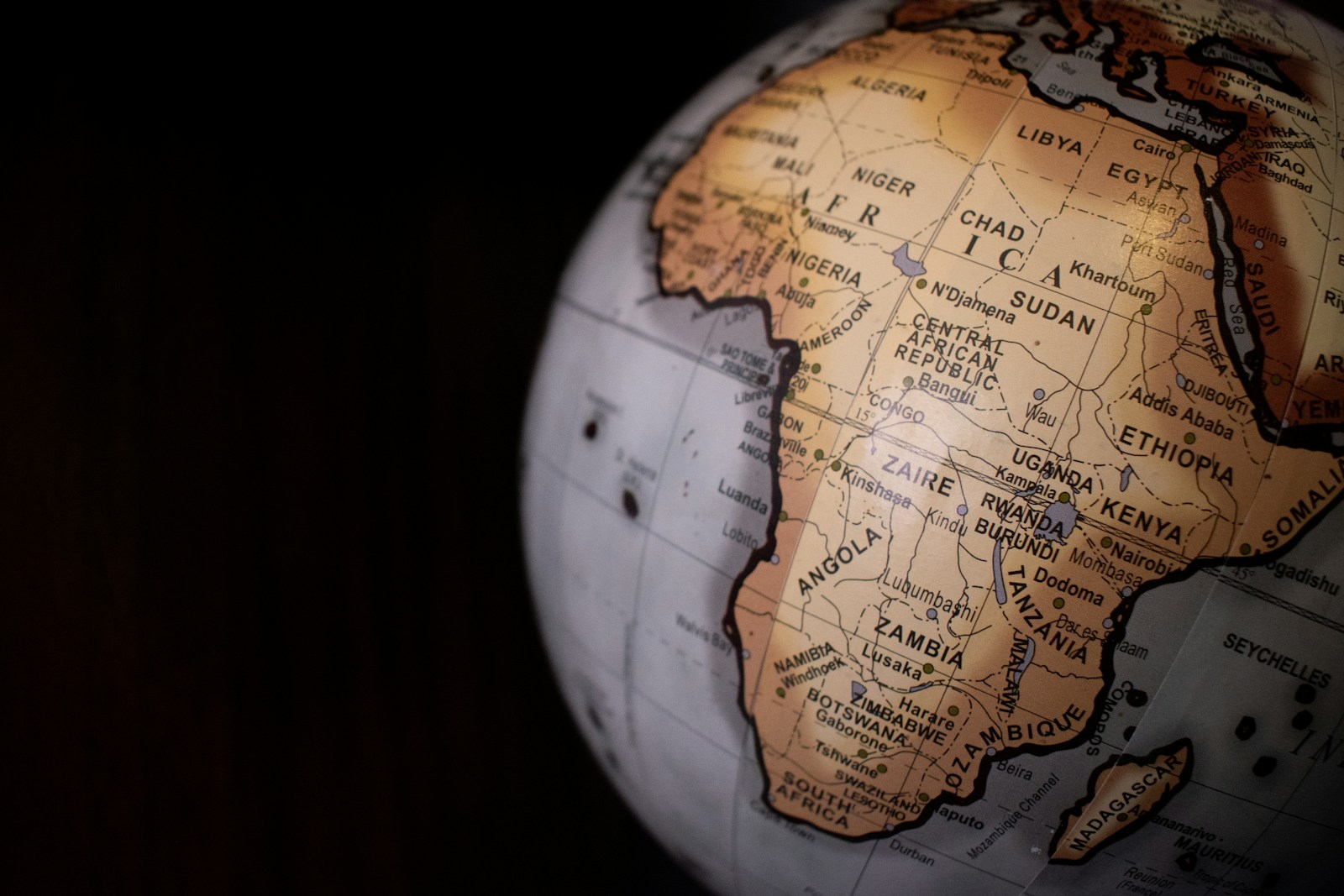
Explore how Francophone African nations have developed since 1960, facing political, economic, and cultural transformations while navigating post-colonial challenges.
Introduction: The Dawn of Independence
In 1960, fourteen African countries gained independence from France, marking a historic moment known as the “Year of Africa.” These Francophone African nations embarked on a transformative journey toward sovereignty, navigating the complexities of post-colonial governance, economic restructuring, and cultural identity. The independence movements were driven by a desire to reclaim self-determination and assert national pride, yet the challenges they faced were deeply rooted in colonial legacies.
The period following independence was one of both hope and uncertainty. Leaders had to establish governance structures, manage diverse populations, and create economies capable of sustaining their nations. This introduction examines the early years of independence, setting the stage for understanding how Francophone African nations have evolved over six decades.
1. Paths to Sovereignty: Different Approaches to Independence
The route to independence varied significantly among Francophone African nations. Some countries, such as Guinea, pursued an immediate and complete break from France, rejecting colonial influence entirely. Others, including Senegal and Mali, opted for more measured approaches, maintaining diplomatic and economic ties with their former colonizer while asserting political autonomy.
The strategic choices made by leaders reflected the delicate balance between achieving true sovereignty and ensuring stability. These early decisions shaped the political and economic trajectories of the newly independent nations and set the tone for their relationships with France in the decades that followed.
Guinea’s Bold Break
Guinea, under the leadership of Ahmed Sékou Touré, became a symbol of uncompromising independence. The nation refused aid from France in exchange for political loyalty, setting a precedent for assertive nationalism in Africa.
Senegal and Mali’s Measured Independence
Senegal and Mali, by contrast, maintained close ties with France. This pragmatic approach allowed for smoother transitions in governance and economic planning, demonstrating the diversity of strategies among Francophone African nations.
2. Political Landscape: Building Governance Structures
Post-independence governance posed formidable challenges for Francophone African nations. The colonial borders left a patchwork of ethnic and cultural groups within artificial national boundaries, creating the potential for internal conflict. Leaders needed to foster national unity while establishing functioning political systems.
Prominent figures like Léopold Sédar Senghor in Senegal and Félix Houphouët-Boigny in Côte d’Ivoire sought to blend traditional governance with modern institutions. Their efforts were met with varying degrees of success, as political instability, coups, and authoritarianism periodically undermined democratic development.
Challenges of Nation-Building
- Managing ethnic diversity and avoiding regional conflicts.
- Establishing credible democratic institutions.
- Balancing traditional leadership structures with modern political systems.
3. Economic Transformations: Overcoming Colonial Legacies
The economies of Francophone African nations were largely shaped by colonial extraction systems. Independence brought the opportunity to restructure economies toward national priorities, but the transition was complex. Many countries relied on single-crop economies, making them vulnerable to market fluctuations.
Efforts were made to diversify industries, develop infrastructure, and promote regional trade. However, external debt, limited investment, and lingering dependence on former colonial powers often constrained economic growth.
Industrialization and Economic Planning
Governments initiated programs aimed at industrialization, urban development, and technological modernization. While some nations achieved notable growth, others struggled to overcome structural economic weaknesses inherited from colonial rule.
4. Cultural Renaissance: Reclaiming Identity
Independence ignited a cultural awakening in Francophone African nations. Language, art, literature, and music became tools for expressing national identity and resisting the remnants of colonial influence. Leaders promoted education in local languages while preserving French for diplomacy and administration.
Institutions and cultural organizations fostered artistic innovation and historical research. This period saw the rise of globally recognized African writers, musicians, and intellectuals, contributing to a renewed sense of pride across the continent.
Language and Literature
While French remained influential, local languages flourished in literature, media, and education, reflecting a balance between global communication and cultural preservation.
5. Continued Influence of France: Françafrique
Despite political independence, many Francophone African nations remained economically and diplomatically linked to France. This network of influence, known as Françafrique, included military cooperation, currency arrangements, and business partnerships. While beneficial in some areas, critics argued that it perpetuated neocolonial dependence.
The CFA franc, used by many Francophone African nations, exemplifies this continued economic link, stabilizing currencies but also tying economies to French monetary policy.
Military and Diplomatic Ties
France maintained a military presence in certain countries, offering security while exerting influence over political decisions. Diplomacy often favored French interests, prompting debates about true sovereignty in Francophone African nations.
6. Social Progress: Education, Health, and Infrastructure
Post-independence efforts focused on improving social systems. Education expanded, literacy rates increased, and healthcare access improved. Investments in infrastructure, including roads, ports, and energy, facilitated economic development and regional connectivity.
Despite these advances, challenges persisted due to limited budgets, political instability, and uneven resource distribution. Nevertheless, the commitment to social development underscored the resilience and determination of these nations.
Education and Healthcare Initiatives
Government programs targeted universal education and primary healthcare. Urban centers benefited from modern hospitals and schools, while rural areas often faced shortages, highlighting persistent development gaps.
7. Environmental and Agricultural Challenges
Agriculture remained a central part of Francophone African economies. However, climatic variability, soil degradation, and dependence on export crops posed significant risks. Efforts to modernize farming practices, improve irrigation, and promote sustainability became priorities.
Addressing these environmental challenges was essential for ensuring food security and supporting economic growth across the continent.
Sustainable Farming and Food Security
Programs emphasized crop diversification, soil preservation, and adoption of new technologies. International partnerships supported research and capacity building, aiming to reduce vulnerability to environmental shocks.
8. Regional Cooperation and Integration
Francophone African nations engaged in regional organizations to promote economic and political cooperation. Initiatives such as ECOWAS and CEMAC facilitated trade, conflict resolution, and shared infrastructure projects, reflecting a commitment to collective development.
Collaboration also helped nations negotiate with global partners more effectively, enhancing their bargaining power in international arenas.
Economic and Political Alliances
Regional integration supported industrial collaboration, joint security operations, and harmonization of trade policies, contributing to stability and growth in Francophone Africa.
9. Contemporary Political Dynamics
Modern Francophone African nations face evolving political landscapes. Democratic transitions, social movements, and youth activism are reshaping governance. Leaders are increasingly challenged to balance tradition, modern expectations, and international pressures.
Civil society and media play growing roles in accountability, transparency, and civic engagement, influencing the pace and direction of political reforms.
Youth Engagement and Democratic Reform
Younger generations are advocating for increased participation, technological innovation, and policy changes. Their activism highlights the dynamic nature of contemporary governance in Francophone African nations.
10. Economic Diversification and Innovation
As global markets evolve, Francophone African nations focus on economic diversification, innovation, and entrepreneurship. Investments in technology, renewable energy, and service sectors aim to reduce dependency on traditional exports and strengthen resilience.
Urban hubs emerge as centers of innovation, attracting investment and nurturing local startups, signaling a shift toward knowledge-based economies.
Technological Advancements
Digital infrastructure, mobile connectivity, and fintech initiatives are transforming economic opportunities, enabling more inclusive growth and fostering regional competitiveness.
11. Cultural and Global Influence
Francophone African nations continue to impact global culture, arts, and intellectual discourse. Writers, musicians, and filmmakers gain international recognition, promoting African narratives and perspectives worldwide.
Cultural diplomacy strengthens national identity while fostering global partnerships in education, arts, and tourism.
Promoting African Narratives Globally
Through festivals, publications, and media, Francophone African nations share their rich heritage, creating a global audience for their cultural expressions.
12. Looking Ahead: Prospects for the Future
The journey of Francophone African nations since 1960 reflects resilience, adaptation, and progress despite historical and contemporary challenges. Future prospects hinge on sustainable development, political stability, economic diversification, and social inclusion.
By leveraging their youthful populations, rich natural resources, and growing technological capacity, these nations can chart paths toward greater prosperity and global influence.
Conclusion
Francophone African nations have made significant strides since their independence in 1960, navigating political, economic, and cultural transformations. While challenges remain, the resilience and determination of these countries demonstrate their capacity to shape their own futures. As they continue to balance historical legacies with modern aspirations, the trajectory of these nations offers lessons in sovereignty, development, and regional cooperation.
For further insights into the progress and challenges of Francophone African nations, see this comprehensive analysis: AP News.
Discover more in-depth news and insights by visiting our website for the latest articles.