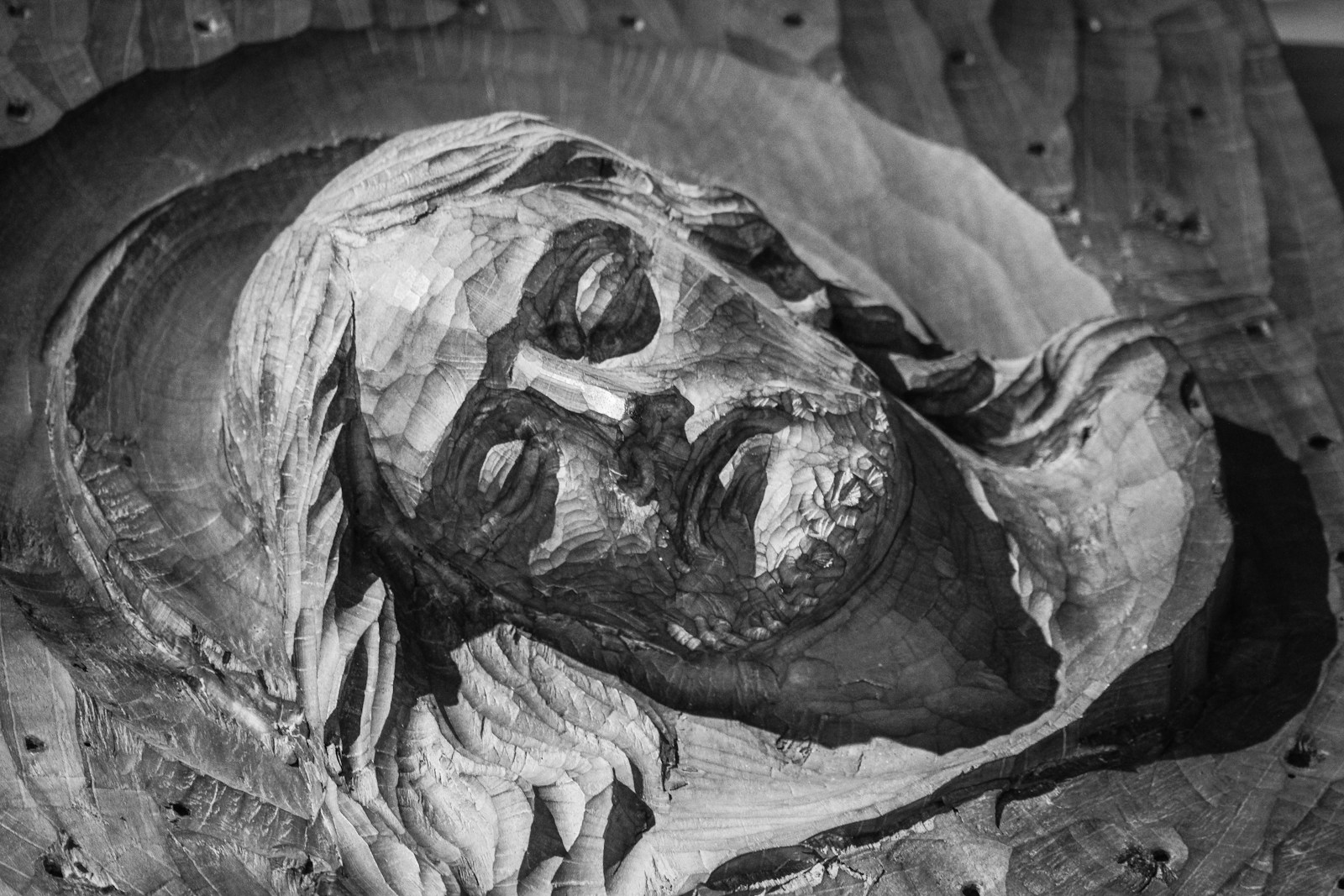
King Toera Skull: Historic Return and Cultural Significance
The return of the King Toera Skull to Madagascar represents a monumental milestone in the nation’s modern history and the cultural life of the Sakalava people. This historic repatriation, which occurred on September 2, 2025, goes beyond the mere physical return of human remains; it embodies a powerful act of historical justice, cultural recognition, and spiritual reconciliation. For over a century, the absence of King Toera’s remains symbolized both the tangible and psychological scars of colonial domination. Today, their return allows the Malagasy nation to heal, reconnect with its past, and honor the legacy of a revered leader.
1. Historical Context of King Toera and the Sakalava People
King Toera was a legendary leader of the Sakalava people, a prominent ethnic group in western Madagascar. In the late 19th century, during a period marked by French colonial expansion, King Toera emerged as a central figure of resistance. He led military campaigns to defend Sakalava territory, negotiating strategic alliances and employing sophisticated tactics to protect his kingdom. His leadership was not only political and military but also deeply cultural, preserving the spiritual and societal traditions of his people.
The capture and subsequent execution of King Toera marked a turning point in Sakalava history. His skull was taken to France, serving as a stark emblem of colonial conquest. This removal was not simply an act of violence but a deliberate attempt to assert dominance, erase local leadership, and suppress indigenous cultural identity. For the Sakalava people, this act left a profound void in their spiritual and historical landscape, one that endured across generations.
The Sakalava community maintained oral histories, sacred rituals, and ancestral storytelling to keep King Toera’s memory alive. These cultural practices ensured that the spirit of the king remained present in the community, providing moral guidance, cultural continuity, and a framework for identity, even in the absence of his physical remains. The eventual repatriation of the King Toera Skull is therefore both a historical correction and a spiritual reunion.
2. The Long Journey Towards Repatriation
The repatriation of the King Toera Skull was not a spontaneous event but the culmination of decades of persistent advocacy. Descendants of King Toera, cultural historians, and human rights activists tirelessly lobbied for recognition, emphasizing both historical and ethical imperatives. Negotiations with French authorities required meticulous documentation, historical verification, and the demonstration of the cultural and spiritual importance of the remains.
This journey underscored the intricate relationship between law, diplomacy, and indigenous cultural practices. The French government, in line with a 2023 law that facilitated restitution, recognized the moral and ethical necessity of returning human remains acquired during colonial conquests. The legal process was accompanied by consultations with Sakalava spiritual leaders to ensure that ceremonial needs were respected, reinforcing the principle that restitution encompasses both material and intangible dimensions of cultural heritage.
The eventual success of this process highlighted how persistent advocacy, grounded in historical evidence and cultural reasoning, can overcome centuries of injustice. It also set an important precedent for future restitutions worldwide, signaling that recognition, respect, and reconciliation are achievable when ethical frameworks align with legal mechanisms.
3. Ceremonial Arrival in Antananarivo
The arrival of the King Toera Skull in Madagascar was marked by an elaborate state and cultural ceremony in the capital, Antananarivo. The event drew a wide audience, including government officials, members of the Sakalava royal family, traditional leaders, and citizens who came to witness the historic moment. The coffins, carefully draped in the Malagasy flag, were transported with dignity, paraded through key ceremonial locations, and received the reverence due to ancestral remains of national significance.
Traditional rituals were performed throughout the ceremony, including the sprinkling of water from sacred rivers, offerings of food and symbolic items, and the chanting of ancestral songs. These acts served multiple purposes: they purified the remains, symbolically reunited King Toera with his homeland, and reaffirmed the spiritual bond between the living community and their ancestors.
The ceremony also included speeches highlighting the importance of cultural preservation, historical acknowledgment, and national unity. It demonstrated the Malagasy people’s collective respect for heritage and underscored the importance of bridging historical divides through ceremonial acts of recognition and honor.
4. Cultural and Spiritual Significance
The King Toera Skull is not merely a historical artifact but a living emblem of cultural identity and spiritual continuity for the Sakalava people. Its return has allowed the reactivation of sacred rituals and ceremonies, such as the Fitampoha purification rites, which were previously impossible without the king’s remains. These rituals provide moral guidance, reinforce social cohesion, and validate the continuity of ancestral traditions.
Through these practices, the Sakalava reaffirm the connection between past and present, ensuring that the king’s spirit continues to guide ethical and cultural conduct within the community. The repatriation demonstrates that cultural heritage encompasses both tangible and intangible elements, where physical remains serve as catalysts for spiritual, ethical, and social renewal.
5. Political Implications and National Reconciliation
The political ramifications of the King Toera Skull repatriation are extensive. At the national level, the event reinforces efforts to reconcile colonial history with contemporary Malagasy identity. Recognizing historical injustices fosters social cohesion, encourages dialogue between ethnic groups, and strengthens national pride.
The event also clarifies the role of traditional leadership within Madagascar’s political and cultural framework. By involving the Sakalava royal family in the ceremony, the state acknowledges the legitimacy of indigenous governance systems and promotes inclusive approaches to heritage preservation. This political recognition enhances the potential for cooperation between governmental institutions and local communities in managing cultural resources.
6. Broader Context of Colonial Restitution
The successful return of the King Toera Skull fits within a global context of colonial restitution. Across Africa and other former colonies, communities are reclaiming artifacts and human remains taken during periods of imperial conquest. These efforts highlight the ongoing need to address historical wrongs and to restore cultural dignity and identity to affected communities.
Countries such as Germany, Belgium, and the United Kingdom have faced international pressure to repatriate cultural items, reflecting a growing consensus that heritage cannot be ethically divorced from its originating communities. Madagascar’s case provides a model of how legal, cultural, and diplomatic strategies can converge to achieve meaningful restitution.
7. Educational Impact and Public Awareness
The repatriation of the King Toera Skull provides a unique educational opportunity. Schools, universities, and cultural institutions can incorporate this event into curricula, emphasizing colonial history, indigenous resistance, and cultural preservation. By studying the history and significance of King Toera, students gain insight into leadership, resilience, and the impact of colonialism on local communities.
Public exhibitions and commemorative events further raise awareness about the value of heritage. They highlight the interplay between historical events and contemporary social identity, fostering a generation that is more conscious of the importance of preserving and respecting cultural legacies.
8. Social Unity and Community Healing
Beyond education, the King Toera Skull repatriation promotes social healing. The collective celebration and acknowledgment of the king’s legacy foster a sense of shared identity among diverse Malagasy communities. Through communal rituals, storytelling, and commemorations, citizens reconnect with their collective history, strengthening social bonds and promoting reconciliation across regional and ethnic divides.
This social cohesion extends beyond ceremonial occasions, influencing everyday interactions and community projects. The repatriation acts as a focal point for cultural pride, national identity, and intergenerational dialogue.
9. Challenges in Identification and Verification
Scientific verification of the King Toera Skull presents challenges. While modern forensic and DNA methods can provide partial identification, traditional Sakalava rituals hold equal importance in authenticating the remains. The coexistence of scientific and spiritual validation highlights the need for culturally sensitive approaches in repatriation efforts.
Debates about authenticity emphasize the complex ethical landscape surrounding human remains. They demonstrate that repatriation must balance scientific rigor with respect for indigenous knowledge systems, ensuring that restitution is both credible and meaningful.
10. Lessons for Global Heritage Preservation
The repatriation of the King Toera Skull offers critical lessons for heritage preservation worldwide. It underscores that effective restitution is not solely legal or procedural but deeply cultural, requiring collaboration, respect, and mutual understanding. Preserving heritage involves returning objects and remains while honoring the associated spiritual, ethical, and social dimensions.
This holistic approach promotes international best practices, guiding governments and cultural institutions toward policies that integrate historical acknowledgment, ethical stewardship, and community engagement.
11. Future Prospects for Cultural Repatriation
The success of the King Toera Skull repatriation paves the way for future efforts to restore cultural heritage. Governments and institutions are encouraged to adopt transparent, consultative processes, ensuring that indigenous communities are active participants. Future initiatives can build on this model, promoting justice, reconciliation, and cultural revitalization globally.
Long-term restoration involves not only returning physical remains but also reviving traditions, safeguarding language, and supporting cultural practices, allowing communities to fully reclaim their historical narratives.
12. Conclusion and Lasting Significance
The King Toera Skull stands as a symbol of resilience, justice, and cultural continuity. Its return to Madagascar reflects a commitment to acknowledge historical wrongs, restore dignity, and preserve national heritage. By honoring King Toera’s legacy, the Malagasy people reaffirm the enduring importance of cultural identity, spiritual connection, and intergenerational reconciliation.
For further insights into global initiatives on cultural restitution, visit this resource: Madagascar Receives Colonial-Era Human Skulls from France
“Discover more in-depth news and insights by visiting our website for the latest articles.”