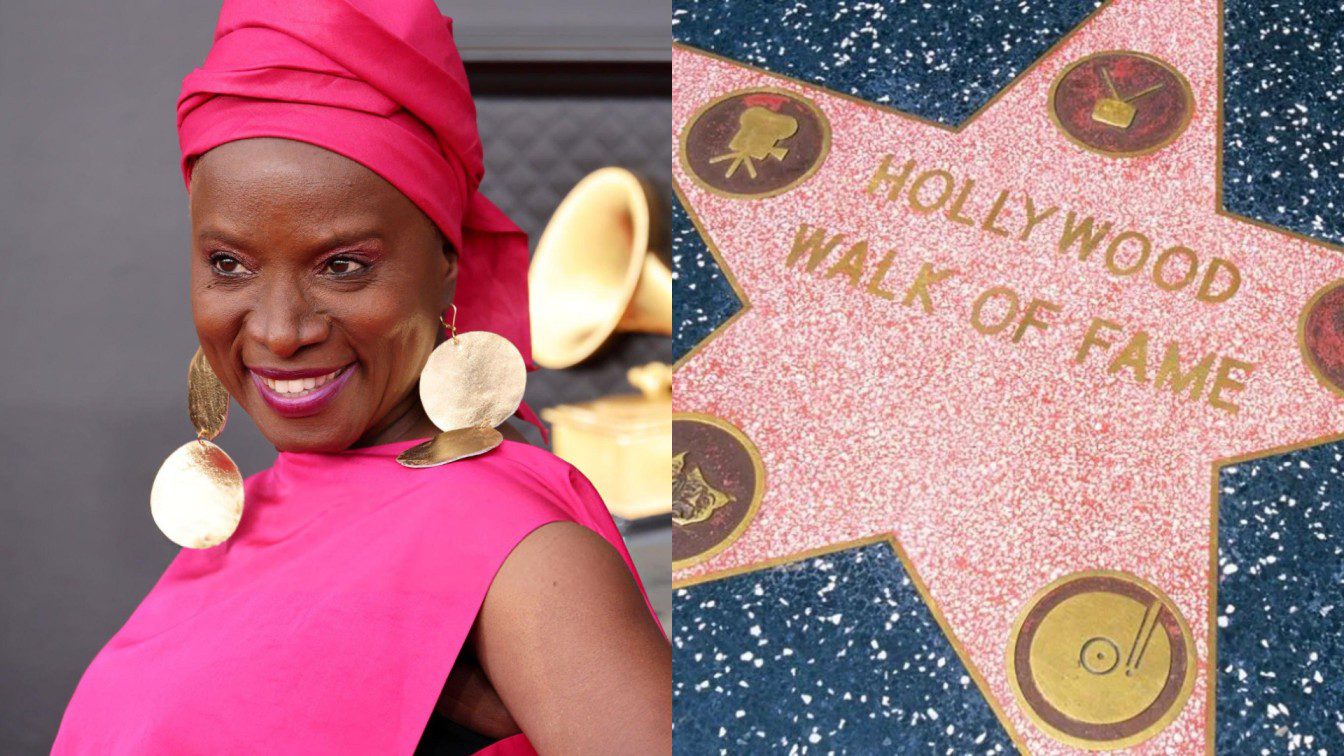
Angelique Kidjo, a globally celebrated African singer, made history last week by becoming the first African artist to receive a star on the iconic Hollywood Walk of Fame. Known for her distinctive voice, cultural pride, and genre-defying music that blends African music with Western styles, Kidjo now stands as a beacon of success, not just for herself but for the entire African music scene. This remarkable milestone marks a new chapter for Black African women in music and highlights the increasing global influence of African culture.
1. Angelique Kidjo: The Voice of African Music on a Global Stage
Angelique Kidjo has long been recognized as one of the most influential voices in African music. With a career that spans over three decades, Kidjo has pushed the boundaries of traditional genres by mixing Afropop, reggae, jazz, gospel, and Latin influences. Her breakout songs like “Agolo,” “Wombo Lombo,” and “We We” have not only charted internationally but have also become cultural anthems representing the spirit and diversity of African identity. As a Beninese artist who sings in multiple languages, including Yoruba, Fon, French, and English, Kidjo has used music to bridge continents and cultures.
2. A Historic Achievement on the Hollywood Walk of Fame
When Angelique Kidjo received her star on the Hollywood Walk of Fame, she became the first African singer and only the second African woman after Charlize Theron to be honored in this way. The significance of this milestone cannot be overstated. While many African artists have gained international acclaim, few have received recognition from mainstream Hollywood. This honor places Kidjo in the ranks of global entertainment legends and shines a light on the underrepresentation of African musicians in the global music industry. Her star is not just a personal victory but a tribute to the entire African continent and the enduring power of African music.
3. Five-Time Grammy Award Winner and Cultural Ambassador
Angelique Kidjo is more than just an African singer—she is a five-time Grammy Award winner and an outspoken advocate for global issues. Over the years, her music has earned critical acclaim, including awards for Best World Music Album and Best Global Music Album. In 2022, she won her fifth Grammy for “Mother Nature,” an album deeply rooted in the rhythms of Africa and the pressing issue of climate change. Through her artistry, she has emerged as a cultural ambassador, using her platform to promote education, women’s rights, and environmental awareness across Africa and beyond.
4. Impact of Angelique Kidjo on African Women in Music
The rise of Angelique Kidjo has paved the way for countless Black African women in music to find their voice and take their place on the global stage. Her story is especially inspiring in a male-dominated industry where African women have historically faced marginalization. By staying authentic to her roots and refusing to conform to Western stereotypes, Kidjo has demonstrated that African women can lead the global music conversation on their own terms. Her influence is seen in younger generations of artists, such as Tiwa Savage, Yemi Alade, and Sho Madjozi, who are now commanding international stages with pride and authenticity.
5. Angelique Kidjo’s Musical Evolution and Afropop Legacy
From her early years singing traditional songs in Benin to becoming a global icon, Kidjo’s evolution mirrors the journey of Afropop itself. She has continually redefined what it means to be an African singer by incorporating elements of funk, soul, and electronic music into her work. Albums like “Black Ivory Soul,” “Djin Djin,” and “Eve” reveal her ability to innovate without losing her cultural essence. Kidjo’s collaborations with artists such as Alicia Keys, Carlos Santana, and Burna Boy showcase the versatility and power of African music when placed in dialogue with other global sounds. Her work has been featured in NPR, The Guardian, and on BBC Africa, where she often speaks about the future of African music.
6. Global Recognition and Cultural Diplomacy
Beyond the stage and studio, Angelique Kidjo has served as a global advocate for Africa’s cultural wealth. As a UNICEF Goodwill Ambassador and speaker at the United Nations, she consistently uses her voice to highlight issues of poverty, education, and cultural preservation in Africa. Her recognition on the Hollywood Walk of Fame amplifies her role as a cultural diplomat, affirming that the world is not only ready but eager to celebrate African excellence. Her influence continues to grow, with academic institutions such as Harvard and Yale inviting her for lectures on the global impact of African music.
7. What Angelique Kidjo’s Star Means for the Future of African Music
Kidjo’s star is more than a shiny plaque on a sidewalk—it’s a symbol of transformation. For years, African music was sidelined in international music conversations. Today, thanks to pioneers like Angelique Kidjo, the genre is at the forefront of global cultural exchange. Afrobeats, Amapiano, and Afro-soul are now mainstream, and African artists are headlining festivals around the world. The inclusion of Kidjo on the Hollywood Walk of Fame opens doors for future generations and confirms that African voices not only belong on the global stage—they are essential to it.
Table of Contents
- 1. Angelique Kidjo: The Voice of African Music on a Global Stage
- 2. A Historic Achievement on the Hollywood Walk of Fame
- 3. Five-Time Grammy Award Winner and Cultural Ambassador
- 4. Impact of Angelique Kidjo on African Women in Music
- 5. Angelique Kidjo’s Musical Evolution and Afropop Legacy
- 6. Global Recognition and Cultural Diplomacy
- 7. What Angelique Kidjo’s Star Means for the Future of African Music
For further reading, check out this official Walk of Fame website or explore our African music legends archive for more on pioneers like Angelique Kidjo.