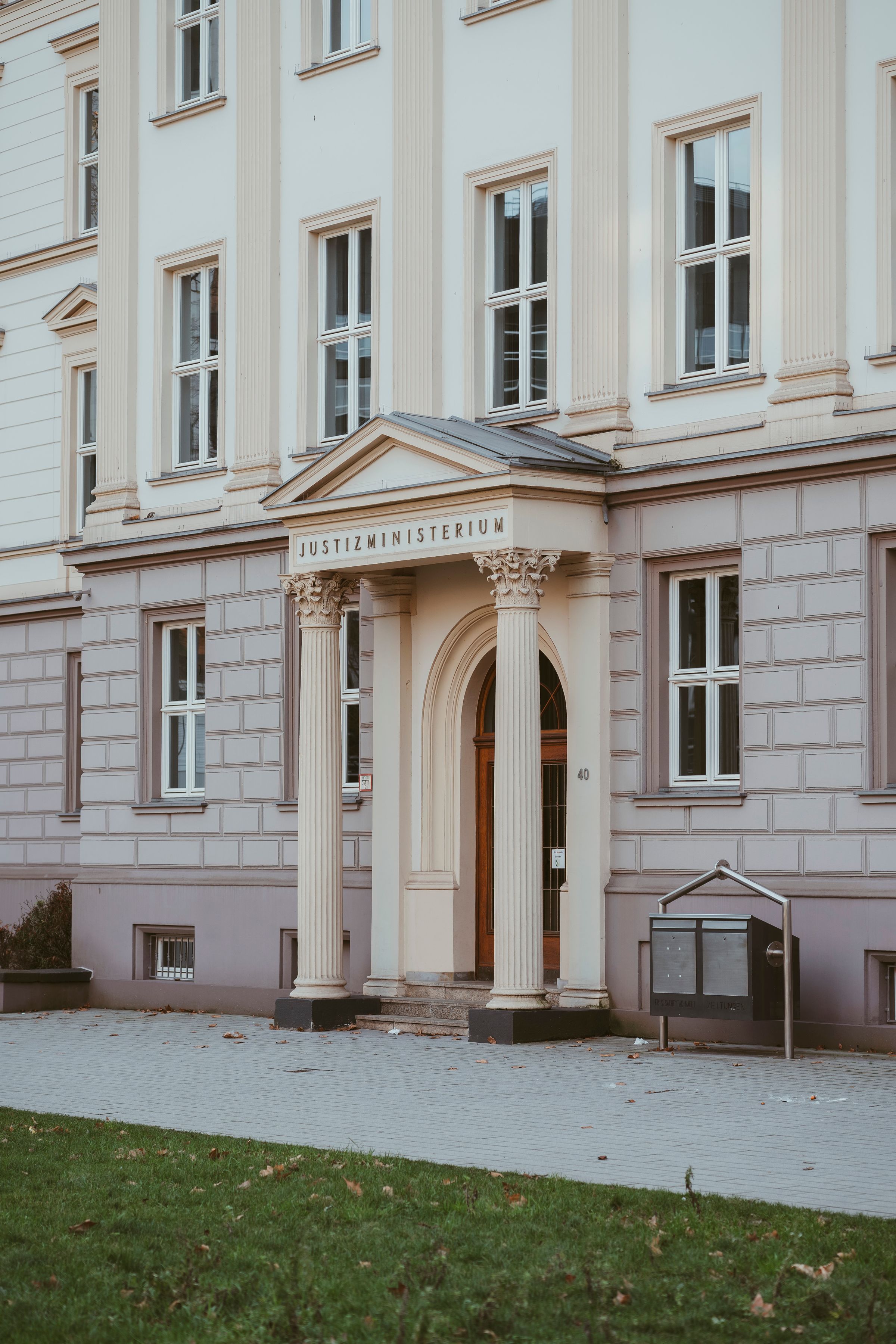
Hijacked government buildings have now been identified by street in all eight metros, and legal representatives have been appointed to remove unlawful occupants. That operational detail, confirmed by Minister of Justice and Constitutional Development Mmamoloko Kubayi after a meeting in Pretoria on Monday, sits at the centre of a widening engagement between government and community leaders on illegal migration and the enforcement of immigration laws.
The Inter-Ministerial Committee (IMC) on Migration, chaired by Kubayi, met a delegation led by iNkosi Malusi Zondi, Chancellor of the Zulu King. The delegation included members of the Black Business Forum, the Binca Nation, represented by its president Ngizwe Mchunu, and leaders of Hlangana Mzansi.
On the buildings question, the work is already moving. Government has located and profiled state-owned buildings across all metropolitan municipalities, with the next phase focused on identifying such buildings in secondary cities. A team of lawyers has been appointed to assist with the legal processes required to reclaim the properties. Kubayi told the media that the buildings, which are allegedly being used for criminal activities including drug dealing and human trafficking, are a priority for both government and the delegation.
“We have identified hijacked government buildings by street in the eight metros [of the country] and appointed legal representatives to facilitate the removal of unlawful occupants. The government is also working with the private sector to repurpose abandoned and illegally occupied buildings,” Kubayi said.
The IMC has already engaged provincial and municipal leaders, including Premiers, members of Provincial Executive Councils, Mayors, city managers, metro police and a senior South African Police Service official, to develop a coordinated response. The delegation expressed an interest in working with authorities to address the unlawful occupation.
Meanwhile, the meeting follows several marches to Home Affairs offices by groups raising concerns about illegal migration and the enforcement of immigration laws. Kubayi said the delegation expressed its willingness to work with government to find solutions to illegal migration while supporting efforts to build a safe, secure and prosperous country.
“The delegation expressed its support for the government’s efforts to build a safe, secure, prosperous and united country and to address illegal migration decisively. We welcome the community leaders’ commitment to nation-building and to finding solutions to illegal migration,” Kubayi said.
According to the Minister, the group reaffirmed its respect for South African laws, the judiciary and its judgments, while committing to promoting stability and economic growth. The delegation also raised concern about unemployment, particularly among young people, and committed to supporting government efforts to rebuild investor confidence and revive the tourism sector, especially in KwaZulu-Natal.
The group drew a clear line on what it opposes. “They also reaffirmed that they are not opposed to immigration that is legal and migrants who respect South Africa’s laws and live amongst the South African people engaged in legal and productive activities. They made it clear that what they vehemently oppose is illegal migration and undocumented migrants,” the IMC Chair said. The delegation emphasised that the call for enforcement of immigration laws should not automatically be interpreted as xenophobia.
The engagement also touched on the legal dimension of migration delivery. The delegation expressed interest in participating in ongoing court proceedings relating to migration and asylum seekers, including the Scalabrini matter, in which the Constitutional Court handed down a judgment on the rights of asylum seekers, and proceedings in the Gauteng High Court relating to contradictory judgments on whether people who are in the country illegally and have applied for asylum may be detained. The IMC raised concern about the contradictory Gauteng judgments and requested that the matter be heard by a full bench. The matter is scheduled for consideration on Thursday, 29 October 2026.
Kubayi urged citizens to exercise caution when sharing information about the Constitutional Court judgment. “We also urge all citizens not to spread unverified information about the Constitutional Court Judgement. Citizens must ensure that they verify the sources of information about this judgment. Check that the information you get is from a credible source and that it is correct.”
Government’s response to migration will continue to be guided by the five-point plan announced by President Cyril Ramaphosa in June. The plan focuses on cracking down on violations of immigration laws, securing the country’s borders, strengthening the immigration system, closing gaps in migration laws and policies, and working with other African countries to manage migration. Further background is available at https://www.sanews.gov.za/south-africa/government-steps-engagement-illegal-migration.
The delegation also raised concern about the documentation of migrants, the alleged issuing of illegal documents by South African immigration officials and the role of law enforcement agencies in enforcing immigration laws.
The meeting concluded with an agreement that government would collaborate with the delegation and other interested parties, including traditional leaders, to address the issues raised. Whether the appointed legal teams can clear the identified buildings in the eight metros, and then extend the profiling to secondary cities, will be the test of the plan in practice.