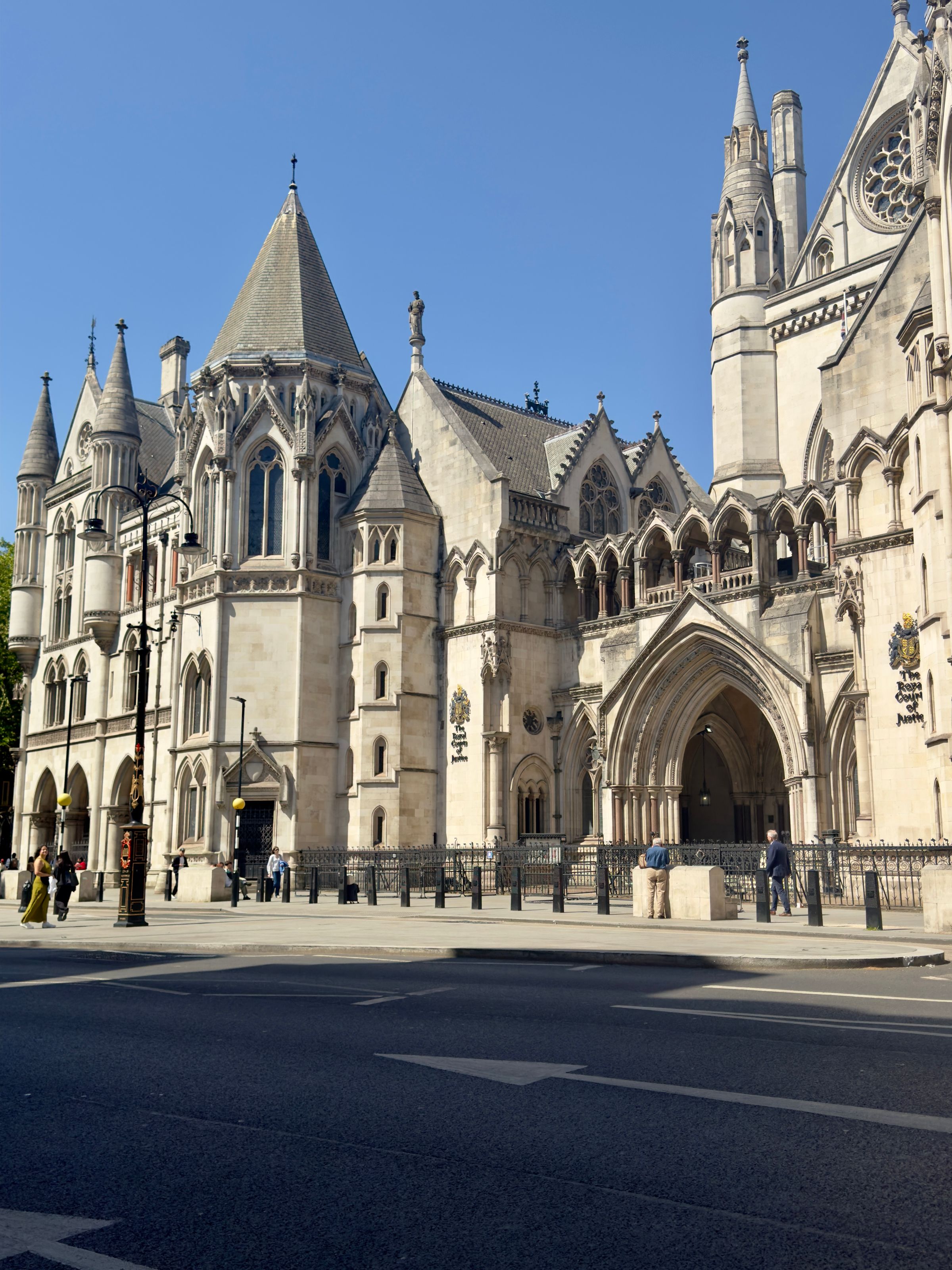
With less than a week before the municipal polls, the Democratic Alliance has secured a High Court order compelling broadcasters that previously declined to air its election adverts to run them, a ruling that puts the legal obligations of broadcasters and the oversight role of the Independent Communications Authority of South Africa (ICASA) squarely in question.
The order requires the offending broadcasters to run the party’s adverts in the remaining unallocated time slots and to prove they have done so. Within 24 hours of airing the adverts, the stations must submit transmission logs and recordings as evidence of compliance.
At the centre of the dispute sits the 40-second public election broadcast, which the DA said some stations refused to play. The party turned to the High Court after ICASA failed to intervene, according to the DA.
Ashor Sarupen, the party’s Federal Council chairperson, said the failure by multiple broadcasters to honour their legal obligations could not be left unchallenged. The missed broadcasts, he argued, have deprived South African voters of the opportunity to fairly assess the parties contesting the election.
The court action also carries regulatory consequences. Sarupen noted that broadcasters who failed to comply face punitive action from ICASA, the authority responsible for ensuring fair coverage during elections.
“It is deeply unfortunate that in every election, the DA is forced to approach the courts to secure equal broadcasting opportunities to which we are lawfully entitled in some or other form,” Sarupen said in remarks quoted by the party. Electoral fairness, he added, could not depend on whether broadcasters choose to comply with the law, and the DA should not have to fight court battles simply to secure the airtime allocated to it.
By contrast with the regulator’s inaction, the judiciary has now become the enforcement avenue. The case underscores the tension between the statutory duties placed on broadcasters during election periods and the capacity of the regulatory framework to enforce them, days before voters go to the polls.
Whether ICASA now acts against the non-compliant stations, and how the broadcasters meet the 24-hour proof deadline, will test the framework in the closing stretch of the campaign.