Russia’s bid to deepen its economic footprint in Africa moves to Moscow this week, as the third Russia-Africa Summit opens Wednesday with trade, investment and energy at the top of a two-day agenda that officials hope will lock in priorities through 2029.
The commercial stakes are considerable. Trade between Russia and African countries exceeded $27 billion in 2025, according to Kremlin foreign policy aide Yury Ushakov, a sharp rise from roughly $16.8 billion in 2019, when the inaugural summit was held in Sochi. That growth trajectory forms the backdrop against which negotiators will pursue new agreements on transport, logistics and the range of goods exchanged between the two sides.
Delegations from 48 of Africa’s 54 countries have confirmed participation, with 22 represented by heads of state, according to Ushakov. Russian President Vladimir Putin and Burundian President Evariste Ndayishimiye, the current African Union chair, will co-chair the gathering.
The program pairs summit sessions and bilateral meetings with the Russia-Africa Economic and Humanitarian Forum, the commercial and development engine of the event. Putin is scheduled to meet Egypt’s Abdel Fattah al-Sisi and Ethiopia’s Abiy Ahmed among other leaders, alongside talks with the heads of African regional organizations.
For investors and operators watching the relationship, the deliverables matter as much as the optics. Participants are expected to adopt a final declaration and a Russia-Africa Partnership Forum action plan covering 2027 to 2029, plus a separate declaration on cooperation in the civilian use of artificial intelligence. Intergovernmental and interagency agreements in several sectors are also planned.
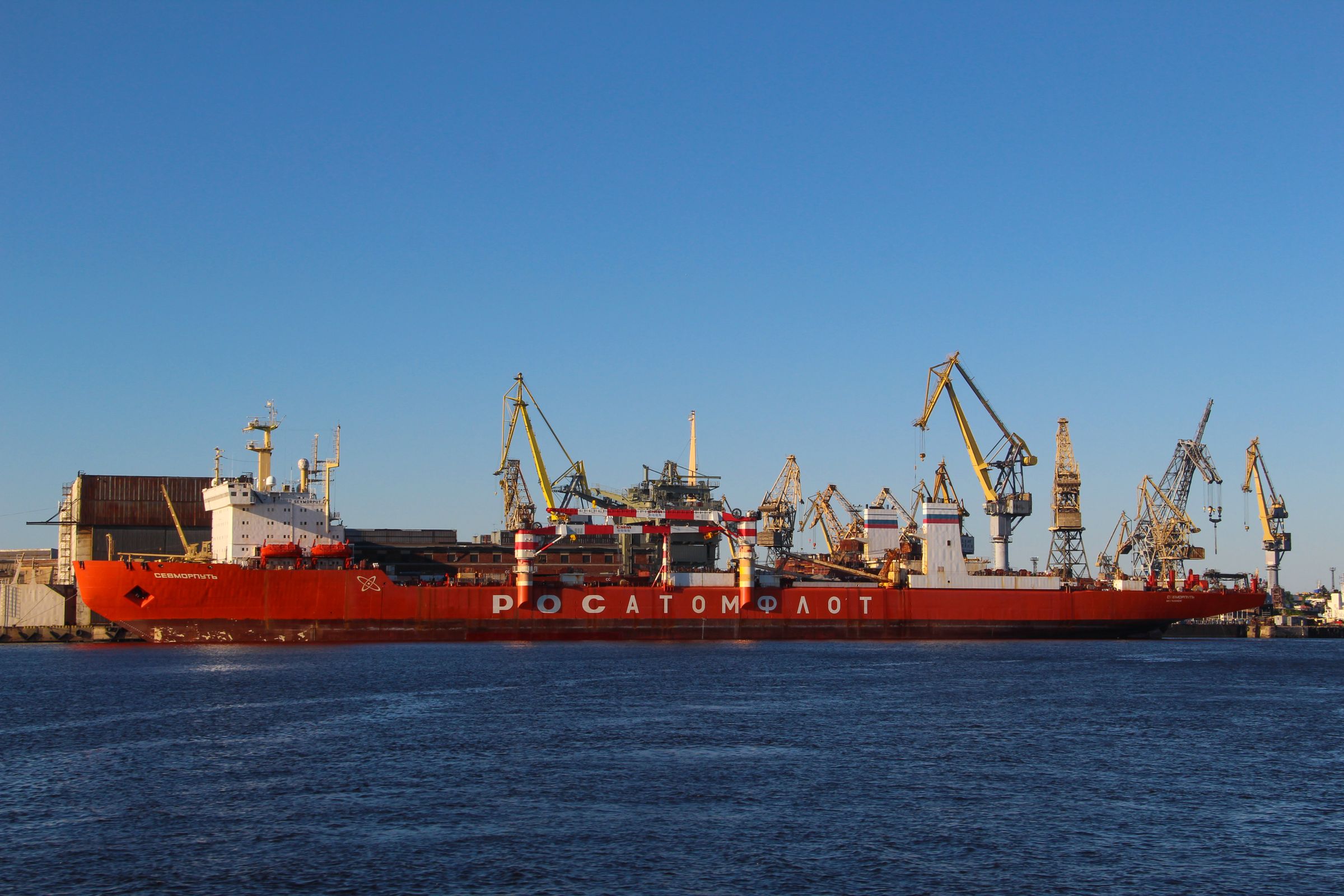
Energy remains one of the most developed areas of Russian-African cooperation, and the forum agenda reflects that. Nuclear energy, conventional power generation, renewables, mining and energy infrastructure development are all under discussion. The flagship project is Egypt’s El Dabaa nuclear power plant, being constructed by Russian state nuclear corporation Rosatom. Several African states are seeking additional electricity-generation capacity as demand grows with population increases and industrial development.
Agriculture is the other pillar of the economic relationship. Russia is an important supplier of wheat and fertilizers to several African countries, and after the 2023 summit in St. Petersburg, Moscow delivered 200,000 metric tons of grain free of charge to Burkina Faso, Zimbabwe, Mali, Somalia, the Central African Republic and Eritrea, fulfilling a commitment announced by Putin. This year’s talks are expected to cover grain and fertilizer supplies as well as agricultural technology, food processing and logistics.
Meanwhile, the institutional machinery behind these deals has been building steadily since Sochi. The first summit took place in October 2019. The second, in St. Petersburg in July 2023, produced a declaration setting priorities for political, economic, security and humanitarian cooperation. Leaders also agreed to hold the summit every three years, and between summits the two sides developed a ministerial-level format. The first ministerial conference was held in Sochi in 2024, followed by a second meeting in Cairo in December 2025, where preparations for the Moscow summit were discussed.
The Moscow gathering will now review implementation of those earlier agreements while setting priorities through 2029. The question for market watchers is whether the diplomatic framework built over seven years can translate into durable commercial returns for both sides.