In Soweto, residents walked out of a shop carrying groceries they said belonged to a Somali owner, a man they had chased away moments before. When police arrived, the residents fled. It was one scene in a day of unrest that swept through two South African cities on Thursday, leaving foreign-run businesses shuttered, shops looted and dozens of vehicles burned.
The violence erupted in Johannesburg’s Soweto township and the east coast port city of Durban. The government has linked it to false claims circulating about a court ruling on asylum seekers. For the foreign traders whose stores were forced to close, and for refugees already anxious about their future in the country, the day deepened a sense of vulnerability that has been building for months.
Police gave a detailed account of the destruction. Acting National Police Commissioner Lieutenant General Puleng Dimpane said on Thursday that 10 vehicles were set ablaze in Johannesburg and 14 in Durban, where three people were arrested. In Durban’s urban centre, a Reuters reporter saw cars torched and foreign-owned shops looted. Reporters from AFP in the city said police fired rubber bullets to disperse protesters who reportedly set light to a business run by foreigners.
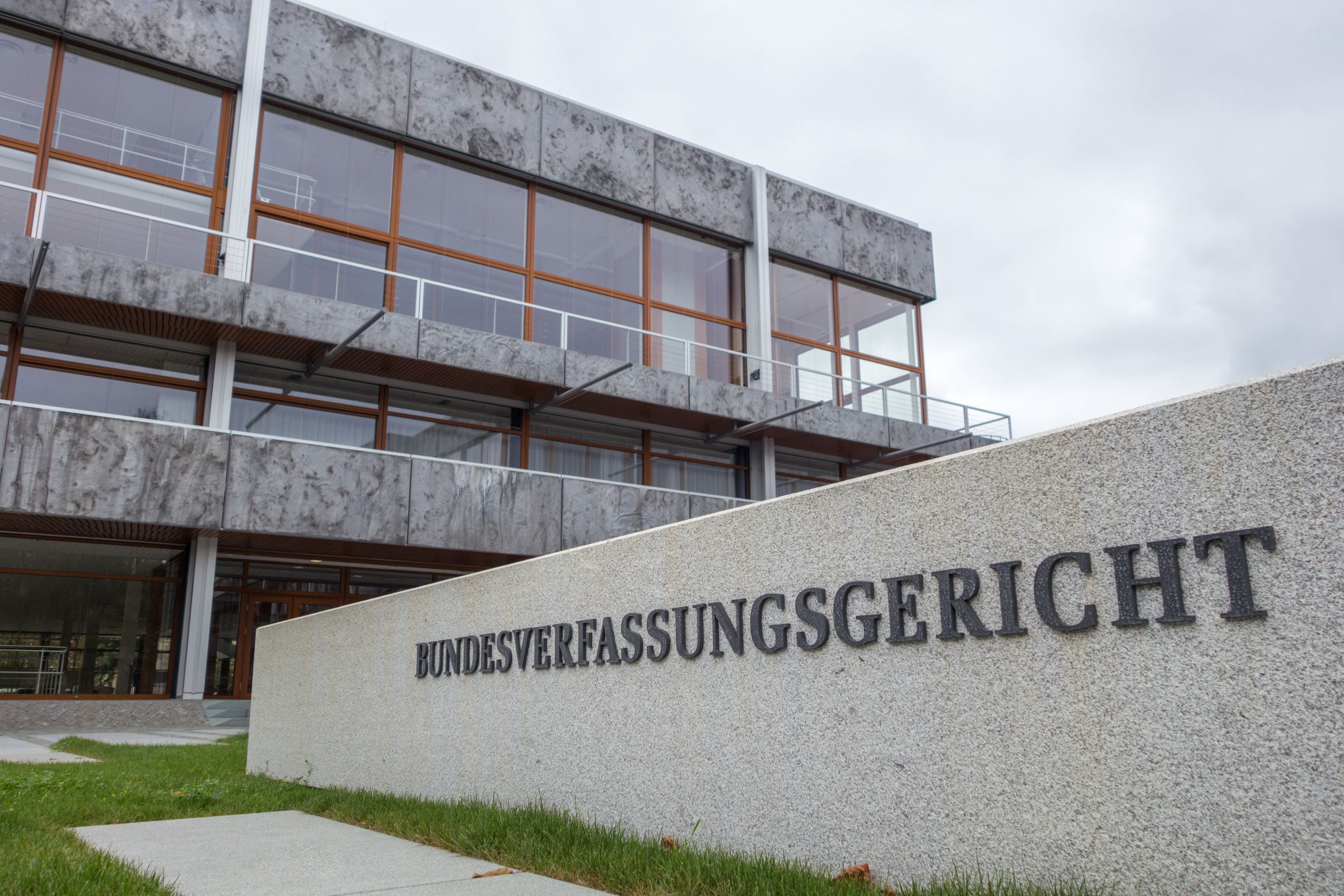
The demonstrations had a specific target: the processing of asylum applications. Protesters demanded that refugee centres stop handling them altogether. Their anger was rooted in a July decision by the Constitutional Court, a ruling that removes procedural barriers to seeking asylum, including for people who entered South Africa irregularly, lacked asylum transit visas, or missed reporting deadlines.
For people living and working in the affected neighbourhoods, the immediate consequences were stark. Businesses run by foreigners were forced to shut their doors, and in Durban some were looted outright. The owners, many of them migrants who have long operated shops in these communities, were left to reckon with the damage as police moved to restore order.
Meanwhile, government officials moved quickly to address both the unrest and the misinformation they say fuelled it. Government spokesperson William Baloyi said the violence was triggered by people spreading deliberately false information about the Constitutional Court ruling. The decision, he said, had been widely misrepresented, and it did not automatically grant refugee status, permanent residence or other legal rights to undocumented migrants. “We are deeply concerned by what is going on now,” he added.
The ruling has also strained the system that processes asylum claims. On Thursday, the government’s Inter-Ministerial Committee on Migration held an urgent briefing to address overcrowding at asylum offices after the ruling was implemented. A day earlier, the committee had said all of its offices were overwhelmed by the number of incoming applications. That backlog falls hardest on the applicants themselves, many of whom wait in uncertainty while offices struggle to cope.
The tension now playing out on the streets has been building for some time. Months of protests by populist, anti-immigrant groups against undocumented foreign nationals, demanding that they leave South Africa, have led tens of thousands of migrants to flee the country, some repatriated by their own governments. For those who remain, the fear is tangible. Refugees in South Africa have expressed concern about new attacks as a September 30 deadline looms.
Behind the unrest lies a country still grappling with the legacy of apartheid three decades after it ended. South Africa remains deeply unequal, and about a third of its people are out of work. In that climate, migrants are often blamed for taking jobs, fuelling crime and straining public services, although such claims are not supported by evidence. For the traders whose shops were looted and the asylum seekers caught in the middle of the dispute, the gap between political rhetoric and daily life is now measured in burned cars and closed doors. Whether the September 30 deadline passes without further violence may decide what comes next for them.