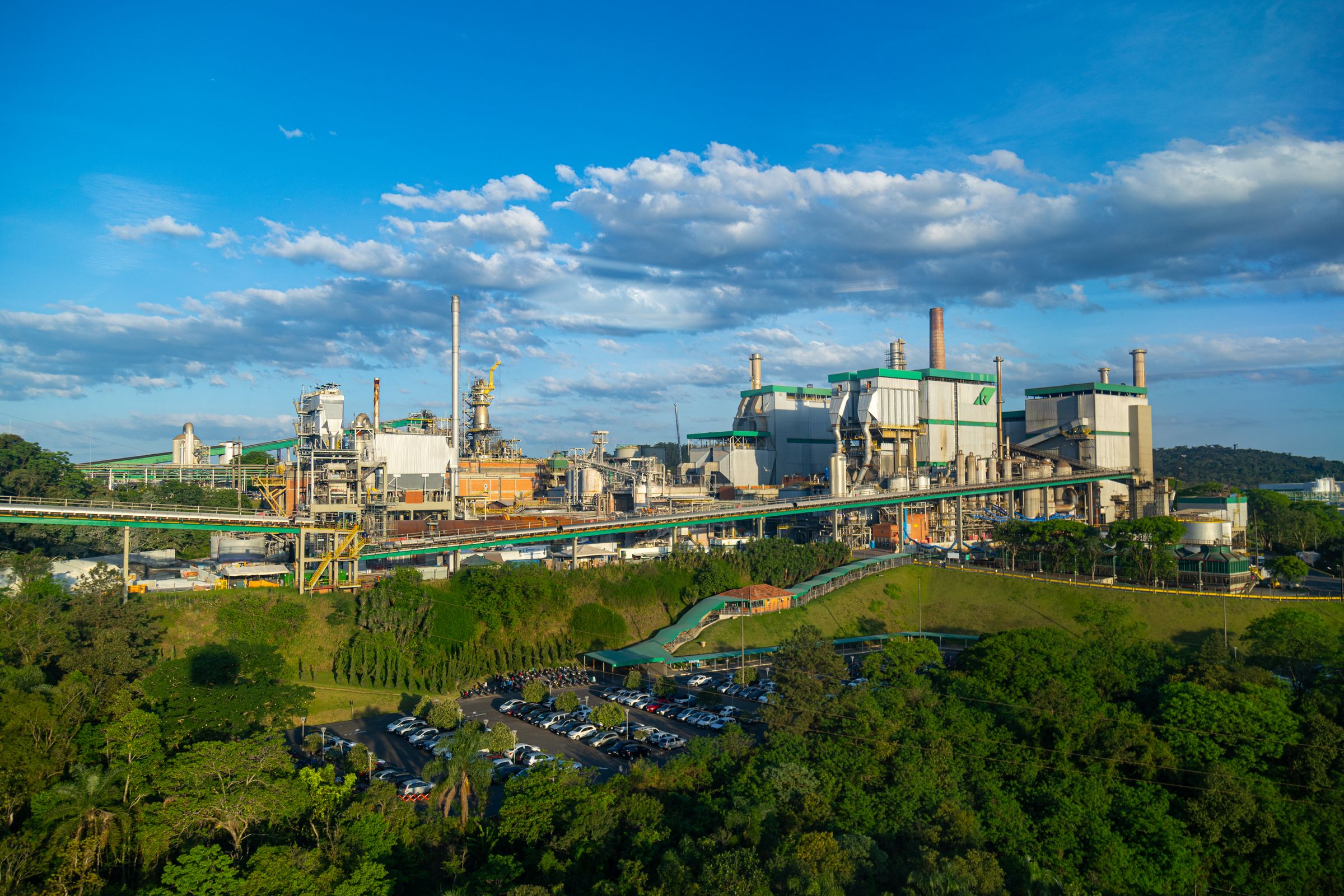
At the Hillside aluminium smelter in South Africa, more than 2,500 workers and contractors clock in each day. Their livelihoods are anchored to a facility that also sustains roughly 29,000 indirect jobs around it. The smelter, the largest of its kind in the Southern Hemisphere, now sits at the centre of an American company’s biggest bet on South Africa, a deal that says something quieter and more durable than the headlines coming out of Pretoria and Washington.
That bet belongs to Alcoa, the Pittsburgh-based aluminium producer whose chief executive, Bill Oplinger, appeared in Washington recently and told hundreds in the room, with thousands more watching online, that American industry is still betting big on South Africa. Alcoa has announced a $4.1bn acquisition of South32’s assets, including Hillside. Oplinger called it “a big vote of confidence not only in South Africa but in the aluminium market in total”. He went further, describing South Africa as far more than a source of raw materials: a long-term partner in industrial development and an increasingly important future market. He carried that message to President Cyril Ramaphosa in a meeting in Pretoria earlier this month.
For the families and communities that depend on jobs like those at Hillside, such commitments matter more than any diplomatic sparring. Over the past three months, the author of these observations has hosted senior executives from Sibanye-Stillwater, Alcoa and Glencore in Washington to discuss their investments and the growing integration of American and South African industry. Together those companies have committed billions of dollars to investments that connect the two economies, strengthen supply chains and support work on both sides of the Atlantic.
Money, importantly, has been flowing in both directions. Glencore is advancing a major investment in a vanadium carbonitride processing facility in Arkansas, supplied by its Rhovan mine in South Africa. Once operational, the plant is expected to meet 100% of US demand for that material, a critical input for American steel manufacturing, while creating jobs in Arkansas itself. Sibanye-Stillwater, one of South Africa’s largest mining companies, made a landmark move in 2017 with its $2.7bn acquisition of Montana’s Stillwater platinum-group metals operations. Since then it has poured in a further $260m in US recycling operations, shoring up domestic supplies of critical minerals that feed American automotive and semiconductor manufacturing. These are not acts of charity or diplomatic goodwill. They are the decisions of companies whose capital has become embedded in each other’s industries.
Political rhetoric, though, keeps intruding on those realities. Former Sibanye-Stillwater chief executive Neal Froneman recently urged Washington to shield South African businesses from punitive measures while considering targeted sanctions against individuals he holds responsible for the deterioration in relations. The presidency responded sharply, calling for his withdrawal from the government-business partnership. The episode is a caution: the personal views of executives who have left their companies should not be conflated with the investment commitments of the firms they no longer lead. Blurring that line risks dragging businesses into diplomatic disputes and undermining the very ties that have kept the relationship resilient.
Two harder problems could still constrain the growth of South Africa’s mining sector and its international partnerships. First, co-ordination. A recent US-South Africa critical minerals roundtable in New York, convened by trade, industry & competition minister Parks Tau with support from Standard Bank, signalled welcome intent, but most major mining companies and stakeholders, including the Minerals Council South Africa, were reportedly absent. More striking, the department has highlighted US government co-financing from the Development Finance Corporation and the Export-Import Bank as a key opportunity, yet neither institution was in the room.
Second, policy settings. PwC’s SA Mine 2026 report, released this month, shows industry revenue up 38% to R786bn while production grew just 2% and remains below prepandemic levels. The sector is riding a price windfall, not a production boom, and windfalls do not last. Proposed platinum-group metals and copper developments show encouraging signs, but much of the financing is arriving from offshore. Winning the global race for capital will demand regulatory certainty, reliable infrastructure and a competitive investment climate, and access to American capital, technology and markets can help convert mineral endowment into production and jobs.
The relationship has weathered turbulence before. Tensions predate the current administration and have persisted across Democratic and Republican presidencies, yet the US has continued to rely on South African platinum group metals, manganese, vanadium and chromium. American government backing for South African infrastructure is not new either: in 2011 Exim named South Africa one of nine priority markets and approved an $805.6m loan for Eskom’s Kusile power station in Mpumalanga, and between 2011 and 2013 it provided about $230m for Transnet’s procurement of 100 General Electric locomotives.
Alcoa, Glencore and Sibanye-Stillwater have already made their bets. The task now is for policymakers to make sure those bets pay off, for workers, communities and industries on both sides of the Atlantic.
Dr Gracelin Baskaran is founding director of the critical minerals security programme at the Centre for Strategic & International Studies in Washington, DC, and an adjunct associate professor at Georgetown University.