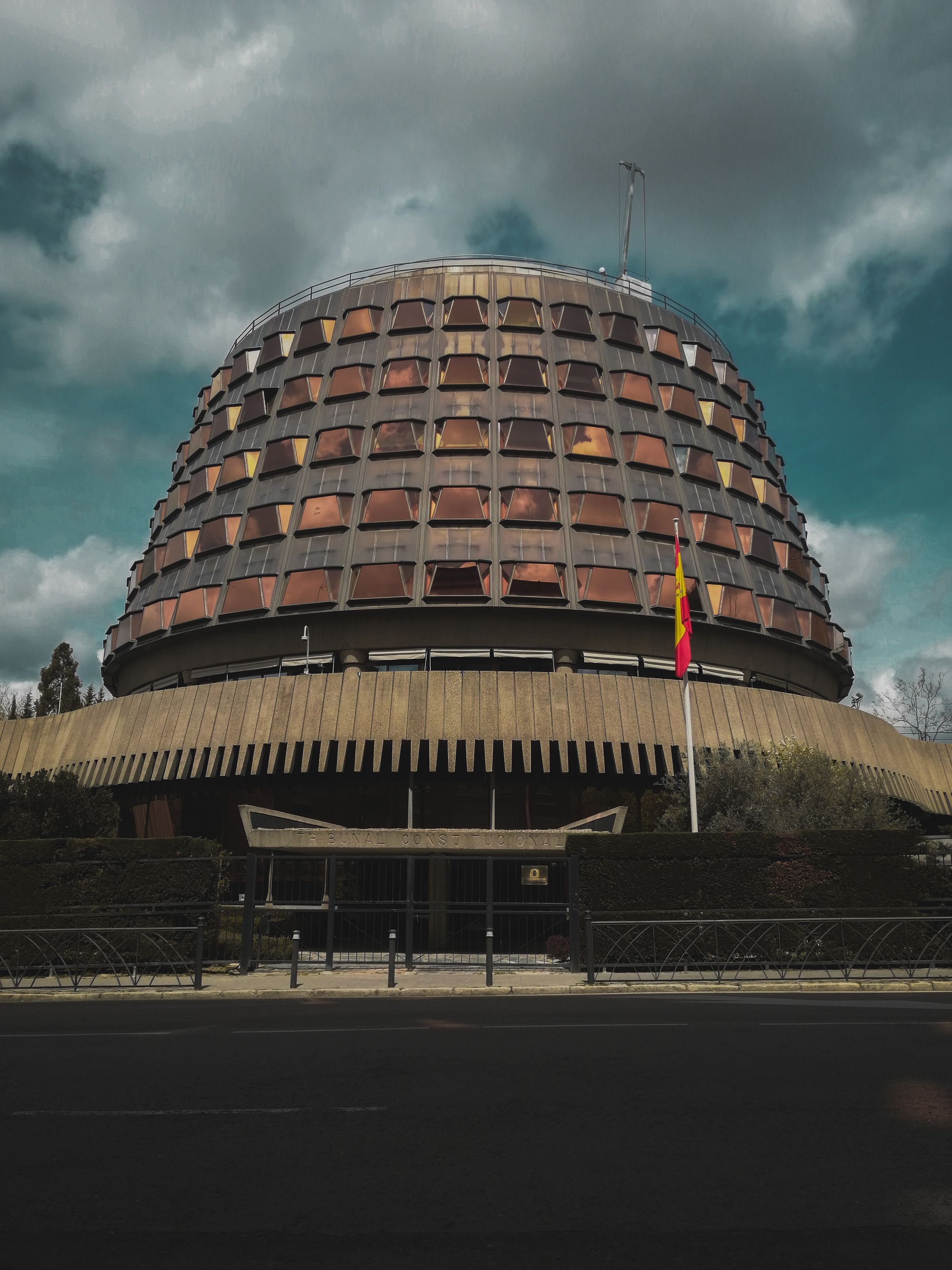
South Africa’s Constitutional Court has revoked the exploration rights held by Shell and Impact Africa along the Wild Coast, halting plans to search for oil and gas off that stretch of coastline. The ruling stops seismic surveys, a method whose intense underwater noise had raised concerns about potential harm to marine life and ecosystems. The decision also carries weight for governance: the court found that the process behind the rights was flawed at its foundations.
Two deficiencies sat at the heart of the judgment. The judges found, first, that consultation with local communities was inadequate. Second, key environmental and climate concerns were not properly considered in the decision-making that led to the rights being granted. Communities along the Wild Coast hold close cultural and economic ties to the sea, which sharpened the stakes of whether their voices had been genuinely heard before approval was given.
The case has a long procedural history. It began in 2021, when six local councils, together with NGOs and environmental justice organisations, mounted the challenge that has now ended in the country’s top court. What started as a dispute over consultation requirements grew into the first climate case ever heard before South Africa’s Constitutional Court, and the ruling is regarded as a landmark on climate justice.
Legal analysts have been quick to map its implications. Angela van der Berg, an expert in environmental and climate law, writing in “The Conversation”, has outlined five key dimensions of climate justice derived from the court’s approach: procedural justice, recognition justice, distributive justice and intergenerational justice, as well as an understanding of justice that extends beyond people to encompass ecosystems and other species. That breadth of reasoning, she suggests, marks the judgment as more than a narrow administrative review.
Meanwhile, from Lebanon comes a legislative development of a different kind. The Lebanese Parliament passed a law in August providing for death sentences to be replaced by life imprisonment and hard labour, making Lebanon the first country in the Middle East to abolish the death penalty. The step came after more than two decades without executions, meaning the formal abolition followed a long practical moratorium.
Human rights advocates have welcomed the change. Amnesty International regards the abolition as a victory for human rights in Lebanon and has highlighted the role played by Lebanese and international civil society organisations in bringing it about. Their sustained advocacy, the organisation notes, was instrumental in pushing parliament to act.
The Lebanese decision also forms part of a broader global trend towards abolition of the death penalty. Yet the international picture remains sharply divided. While more jurisdictions move to end capital punishment, the number of executions in countries that retain it rose by 78 percent in 2025 compared with the previous year, a stark contrast to the direction taken by Lebanon’s lawmakers.
Taken together, the two stories illustrate different routes through which accountability can be enforced. In South Africa, the judiciary held decision-makers to the standards of consultation and environmental review required of them, setting a precedent that will shape how future resource approvals are judged. In Lebanon, it was the legislature, prodded by civil society, that corrected a punitive practice long fallen out of use. In both cases, institutions acted on questions pressed by communities and campaigners, and in both, the outcome will be measured by how the new rules are applied in practice.
The D+C editorial team can be reached at [email protected].