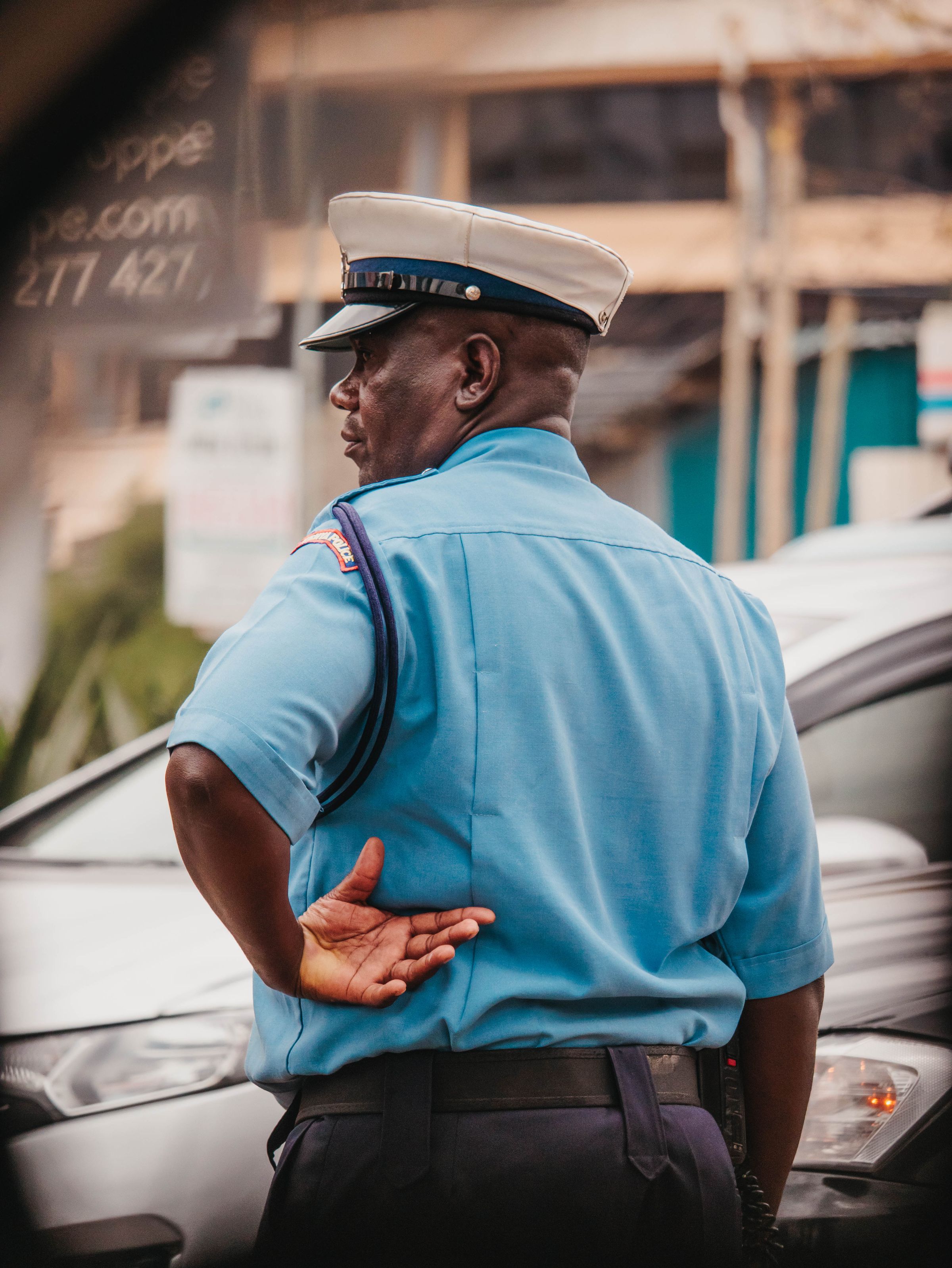
National Police Commissioner Fannie Masemola returned to his desk on Monday, 19 October 2026, roughly six months after a criminal case tied to a R360-million police tender forced him onto precautionary suspension. The tender, awarded in 2024 to the company of organised crime accused Vusimuzi “Cat” Matlala, Medicare 24 Tshwane District, had allegedly been secured for R228-million through collusion with police officers. Masemola was added as an accused in April, facing four counts of contravening the Public Finance Management Act, before Public Prosecutions boss Andy Mothibi ordered the charges withdrawn last month. President Cyril Ramaphosa then lifted the suspension a few days ago.
The financial scandal sits within a wider cost pressure on the service itself. Beyond confronting local and transnational criminality, the South African Police Service must contend with resource strain so severe that senior detectives carry workloads of between 600 and 800 dockets each.
Meanwhile, hours before Masemola’s return, the risks on the ground turned violent. A home belonging to an Anti-Gang Unit officer in the Western Cape was petrol-bombed shortly after midnight on Monday near Eerste River, a Cape Town suburb where various gangs are known to operate. A suspect died in the aftermath.
Independent Police Investigative Directorate spokesperson Phaladi Shuping said four suspects “threw a petrol bomb at the house of the member of AGU”. The officer appeared to have been on patrol with colleagues when his wife phoned to alert him. On their return, the suspects were still present and allegedly fled in a car, shooting at the police. “The police returned fire while chasing the suspect’s vehicle,” Shuping said. When the vehicle stopped, one suspect jumped out and tried to run. “He then collapsed … [a] few metres away from the car,” said Shuping. He was declared dead at the scene, the cause unclear, while the other suspects were arrested. An inquest docket was opened and Ipid took over the investigation, while detectives from the Kleinvlei police in Cape Town are handling a case of arson. Western Cape police Sergeant Wesley Twigg confirmed the incident.
About 13 hours later and not far from the shootout, five suspects threw stones at a police vehicle carrying two on-duty officers. Constable Ndakhe Gwala said the pair “sustained cuts on their hands and faces, and they were transported to a medical facility for treatment”. No arrests were made, and Kleinvlei police registered cases of malicious property damage, assault with intent to cause grievous bodily harm and an attack on SAPS members.
The province where these attacks occurred is also where allegations of police corruption have clustered. A 2022 court judgment showed that a probe years earlier had found certain Kleinvlei officers allegedly “on the payroll of the Mobsters gang”. In recent months, two sergeants have been arrested in the province in corruption cases: one accused of taking cash to smuggle dagga and tobacco into holding cells at Mitchells Plain Police Station, the other allegedly linked to the Fancy Boys gang, said to be expanding its grip on the province, though police confirmed only that a corruption case was under investigation.
The Western Cape carries a bloody institutional history here. In September 2020, Anti-Gang Unit officer Charl Kinnear was murdered outside his Bishop Lavis home, deepening suspicions that officers were colluding with criminals. Organised crime accused Nafiz Modack, convicted of corruption over links to a former policeman, is on trial in the province’s high court, and earlier proceedings heard allegations of plans to petrol-bomb Kinnear’s home.
Masemola’s charges flowed from a broader scandal ignited in July 2025, when KwaZulu-Natal police boss Nhlanhla Mkhwanazi alleged that a cartel, later identified as the Big Five, had infiltrated the criminal justice sector, politics and private security. He later claimed a rogue element ran through the Investigating Directorate Against Corruption, assertions also made about Crime Intelligence. Idac, then led by Andrea Johnson, drove the cases against Masemola and Crime Intelligence head Dumisani Khumalo, both now cleared. Johnson conceded before the Madlanga Commission of Inquiry in July this year that not all information used against Khumalo was factual, and resigned amid mounting accusations. Idac announced a “reset” after her departure; Johnson’s associate, Crime Intelligence cop Feroz Khan, has been fired.
Addressing colleagues and journalists on Monday, Masemola called his reinstatement an opportunity “to reaffirm our commitment to the rule of law”. “I return ready to work with all of you. I am not here to avenge your revenge,” he said, adding that unity did not mean everyone would automatically get along: “We must build it on professional solidarity, ethical leadership and mutual respect.” He acknowledged organised crime “has been a challenge for quite some time and we should focus more strongly” on it, and stressed due process: “My experience has reinforced the importance of due process.”
His priorities, outlined at the briefing, include considering the Madlanga Commission’s recommendations, improving station resources, vehicles, technology and staffing, recruiting trainees, preparing for local government elections and intensifying festive season operations against organised crime and drug trafficking. The urgency is underscored by acting police minister Firoz Cachalia’s recent warning about Mexican cartel activity in South Africa, evidence that transnational organised crime is infiltrating the country even as the police service itself remains volatile. Further background on the attacks and Masemola’s return can be found at https://www.dailymaverick.co.za/article/2026-10-19-masemola-returns-as-thugs-petrol-bomb-anti-gang-cops-home-attack-other-police/